
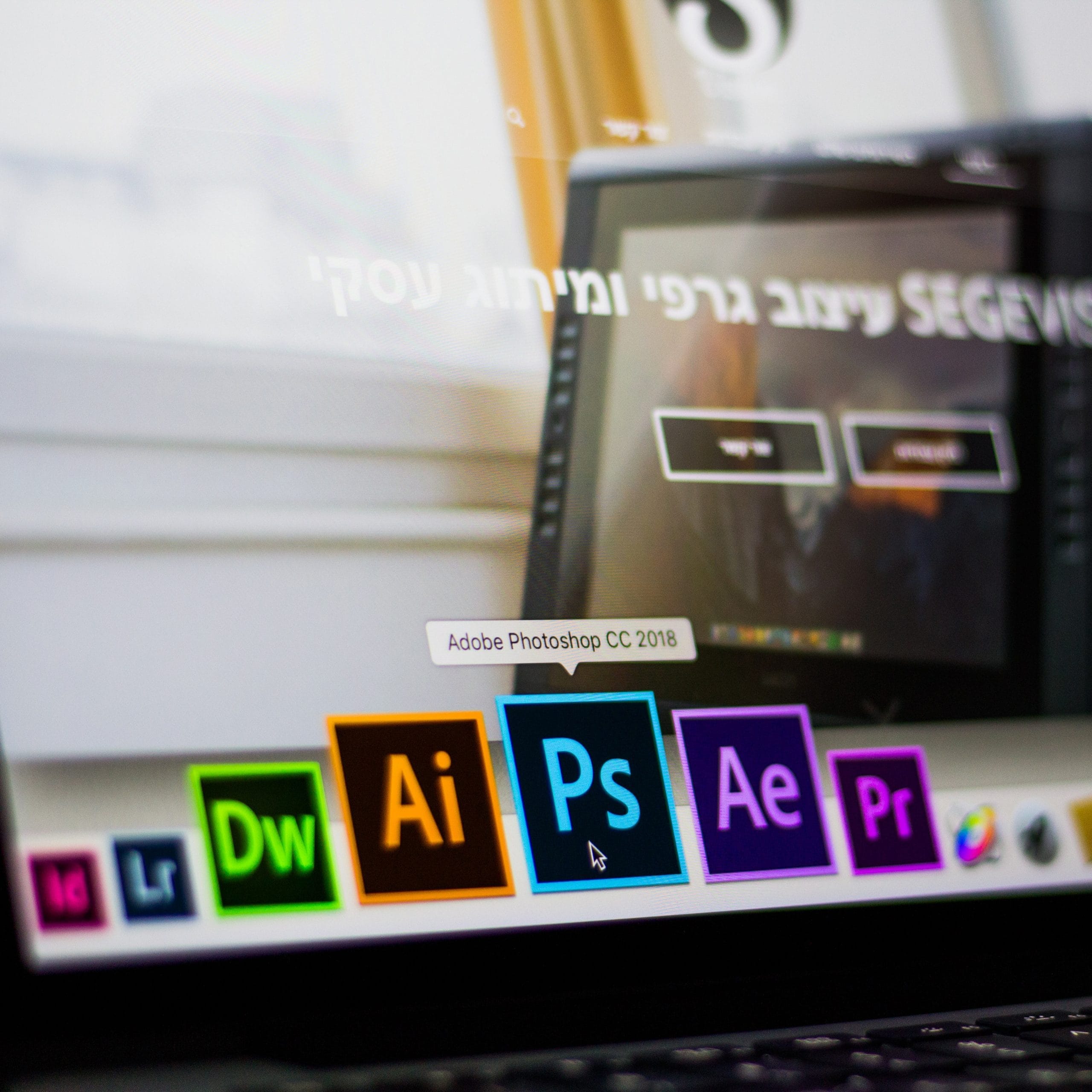
Adobe has raised Creative Cloud and Acrobat pricing multiple times through 2026, with consumer plans increasing in January and enterprise renewals now running 12–25% higher than prior terms — much of it justified by generative AI credits built into every tier. For publishers running InDesign, Photoshop, and Illustrator across a production team, this makes outsourced layout and design production a genuinely more predictable cost model than continuing to scale per-seat licenses.
Adobe’s 2026 Pricing Picture
Adobe’s 2026 price increases rolled out in stages rather than as a single announcement — a consumer and small-business increase in January, an enterprise Acrobat adjustment in April, and enterprise Creative Cloud renewals now landing 12–25% higher than prior contract terms.
The pattern is consistent with a broader software-industry trend: vendors using generative AI as justification for price increases, even in product categories that predate generative AI by decades. Specific to Adobe in 2026:
- A broad consumer and small-business price increase took effect on January 15, 2026
- An enterprise-facing Acrobat pricing adjustment followed in April
- Enterprise Creative Cloud renewals are now running 12–25% higher than prior terms
- Single App plans saw their monthly generative-credit allowance cut from 500 credits down to just 25
That last change is worth sitting with: a steep reduction in what a Single App subscriber gets for the same core price, while the “value” narrative around the plan increasingly centers on AI features many users didn’t ask for.
What Publishers Are Actually Paying in 2026
Direct Answer
As of September 2026, Creative Cloud plans range from roughly $23/month for a single app to $69.99/month for the Creative Cloud Pro (formerly “All Apps”) tier — with enterprise contracts negotiated separately and typically locked for three-year terms.
| Plan | Approx. Monthly Price (2026) | Notes |
|---|---|---|
| Single App (e.g. InDesign, Photoshop) | ~$22.99–$32.99 | Generative credits cut from 500/month to 25/month |
| Creative Cloud Standard | ~$54.99 | Lower-cost multi-app tier introduced in 2025 |
| Creative Cloud Pro (formerly “All Apps”) | $69.99 | Rebranded in 2025 around AI-augmented workflows |
| Enterprise (ETLA) | Custom, 3-year lock | Renewals running 12–25% higher than prior terms |
For a publishing team running InDesign, Photoshop, and Illustrator across multiple staff, that’s not a single subscription — it’s a multiplying per-seat cost that scales with headcount, not with output.
Why “Locked In” Still Applies in 2026
Creative Cloud contracts auto-renew, cannot be downgraded mid-term, and typically charge an early-cancellation fee — meaning once a publisher commits to a seat count, reducing costs usually has to wait until the next renewal cycle.
The specific lock-in mechanism has changed since 2019, but the shape of the problem hasn’t. In 2026:
- Contracts auto-renew and generally can’t be downgraded mid-term
- Early cancellation of an annual plan typically carries a cancellation fee on the remaining months
- Enterprise agreements bill “true-up” charges when usage exceeds the baseline, but rarely grant a “true-down” — meaning the baseline cost tends to only move upward
- Idle or unused seats commonly remain on the bill until the next renewal negotiation
For a publishing operation, this means software costs tend to ratchet upward even when actual production volume stays flat — the same “captive audience” dynamic the original version of this article flagged, just running through a different mechanism now.
What This Means for Publishing Production Costs
Outsourced layout, typesetting, and graphics production gives publishers a predictable, output-based cost instead of a growing per-seat software bill — without needing every staff member to hold an expensive All Apps or Pro license.
This is the practical question rising Creative Cloud costs put in front of every publisher: keep expanding per-seat licenses as the team grows, or shift production work to a partner already running the necessary tools at scale. Book layout design services and professional books formatting work handled externally means a publisher isn’t paying for a $70/month Creative Cloud Pro seat for every team member who occasionally touches layout — the cost scales with the work produced, not with headcount or Adobe’s next price adjustment.
Our graphics and artwork services cover the same ground for illustration and cover design work traditionally done in-house on Photoshop and Illustrator — production capacity without the recurring per-seat commitment.
Key Takeaway: The 2019 warning about being locked into Creative Cloud turned out to be right about the pattern, if not the specific mechanism — pricing has kept climbing in 2026, now justified by AI credits most users didn’t request. For publishers, the real hedge against that isn’t switching software; it’s rethinking which production work needs an in-house Creative Cloud seat at all, versus what can move to a production partner with predictable, output-based costs.
Frequently Asked Questions
Publishers most often ask how much Creative Cloud pricing has actually increased in 2026, why AI is tied to the price changes, and what alternatives exist for production-heavy teams. The answers below cover the current picture.
How much has Creative Cloud pricing increased in 2026?
Enterprise renewals are running 12–25% higher than prior contract terms, following a broad consumer price increase in January 2026 and an enterprise Acrobat adjustment in April.
Why is AI tied to Adobe’s price increases?
Generative AI credits (Adobe Firefly) are now built into most Creative Cloud plans, and Adobe has cited these AI features as the stated driver behind recent and upcoming price increases.
Can I downgrade my Creative Cloud plan if I’m not using all the apps?
Generally not mid-term. Annual contracts typically can’t be downgraded before renewal, and early cancellation usually carries a fee on the remaining months of the term.
Is it cheaper to outsource layout and design work instead of licensing Creative Cloud in-house?
For teams where only some staff regularly need design tools, outsourcing layout, typesetting, and graphics work often costs less than maintaining an All Apps or Pro seat for every team member, since the cost scales with output rather than headcount.
Do enterprise Creative Cloud contracts protect against price increases?
Partially. An Enterprise Term License Agreement locks pricing for its full term, typically three years, but renewals then reflect the increased pricing, and usage above the agreed baseline is billed as a “true-up” charge.
What’s the difference between Creative Cloud Standard and Creative Cloud Pro in 2026?
Standard is a lower-cost multi-app tier introduced in 2025. Pro (the renamed “All Apps” plan) sits at $69.99/month and is positioned around expanded AI-augmented workflow features.
Want production capacity without scaling your Creative Cloud seat count?
Siliconchips Services handles layout design, typesetting, and graphics production — so your team’s output isn’t capped by how many software licenses you can afford.