
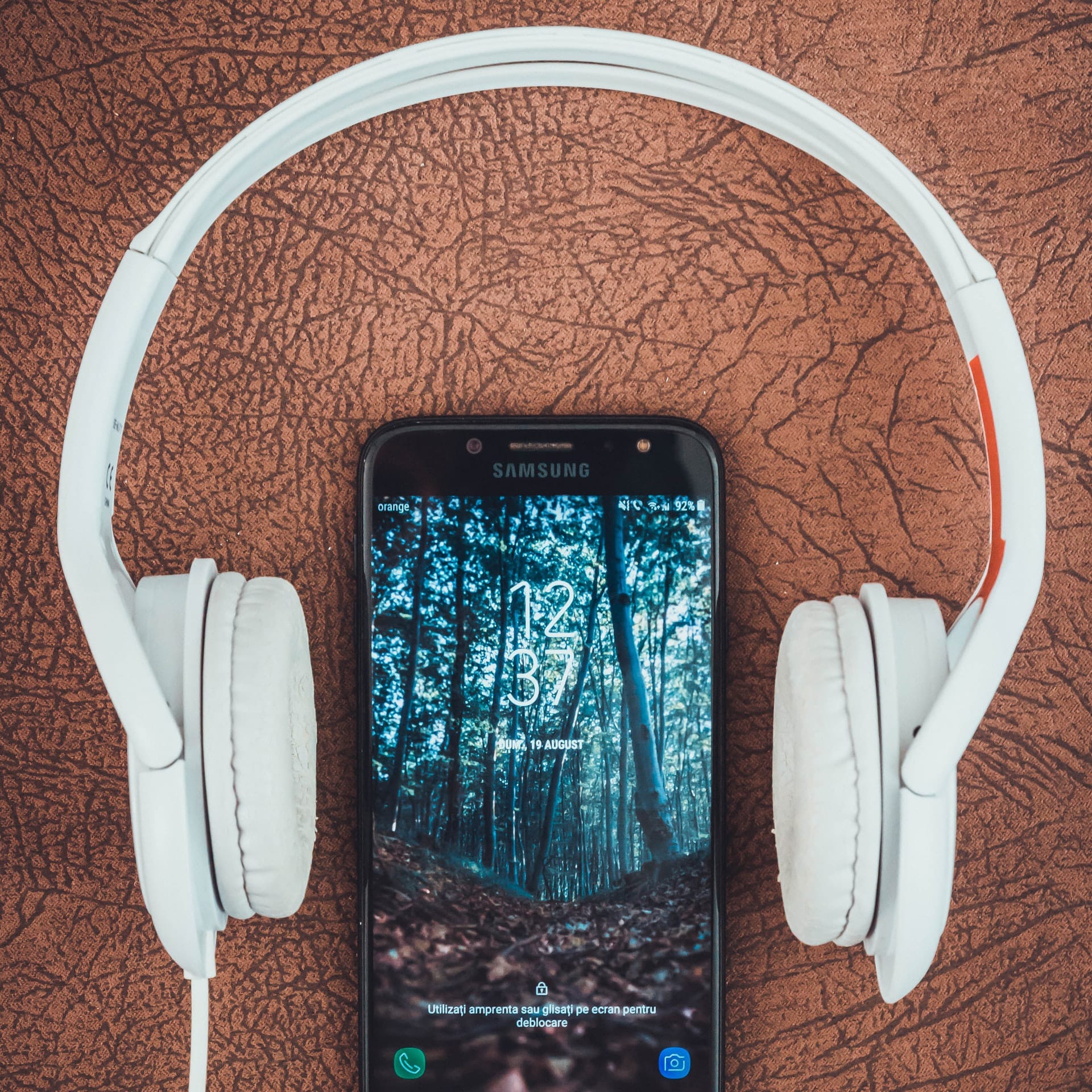
U.S. audiobook sales reached $2.43 billion in 2025, up 9% year over year, with more than 750,000 active titles in the market — a 43% increase from 2024. Growth is driven primarily by convenience and multitasking, not AI narration, which remains a marginal 0.03% of sales despite significant publisher interest.
What’s Actually Driving the Growth
Convenience and multitasking remain the top reasons listeners choose audiobooks — 86% cite the ability to multitask, 84% cite listening on the go, and 70% describe audiobooks as an alternative to screen time, according to APA/Edison Research’s 2026 consumer survey.
The core appeal hasn’t changed since audiobooks first went mainstream — it’s just gotten easier to act on. Listeners can now access audiobooks through more channels than ever:
- 49% purchase directly from websites or apps
- 48% use a subscription service
- 46% borrow through a digital library app
- 42% use credits from a dedicated audiobook service
Where the Growth Is Concentrated
Direct Answer
General fiction leads audiobook revenue at 27% of the market, with science fiction/fantasy, romance, and mystery/thriller close behind — while humor, general fiction, and children’s/YA were the fastest-growing genres in 2025.
| Genre Segment | 2025 Position |
|---|---|
| General fiction | Largest revenue share (27%) |
| Sci-fi/fantasy, romance, mystery/thriller | Strong, established categories |
| Humor | Among fastest-growing in 2025 |
| Children’s / YA | Among fastest-growing in 2025 |
| Audio-first originals | Revenue up 50% year over year, now 6% of total net revenue |
That last line is worth noting on its own: audio-first titles — content produced for audio before or instead of print — grew faster than the market overall, suggesting publishers are increasingly treating audio as a primary format, not an afterthought conversion.
AI Narration: Hype vs. Reality
AI-narrated audiobooks remain a marginal share of the market at just 0.03% of 2025 sales, and listener willingness to try AI narration actually declined from 70% in 2025 to 61% in 2026 — even as major publishers continue investing in the technology.
This is where the current narrative gets more interesting than the headlines suggest. Major publishers, including HarperCollins, are investing meaningfully in AI audiobook production, and industry studies have found some listeners rate AI multi-cast narration favourably against human narration in specific formats. But actual adoption tells a different story: only 16% of audiobook listeners report having listened to an AI-voiced title, and enthusiasm for trying one has cooled rather than grown year over year.
For publishers, the practical takeaway isn’t “AI narration is taking over” — it’s that the technology is being tested carefully, in specific use cases, while human narration remains the standard for the vast majority of the market, particularly in fiction and literary titles.
What This Means for Production
Audio expansion works best when it’s planned into a title’s production from the start, using structured, well-tagged source content rather than treating audio as a separate rebuild after print and e-book are finished.
Whether a title uses human or AI narration, the production groundwork is the same: a clean, well-structured source file makes audio scripting, timing, and quality review faster, because the reader doesn’t need to untangle inconsistent formatting before narration can even begin. This is the same content-first discipline behind our digital publishing and eBook conversion work — one properly structured manuscript supporting every format a title needs, audio included.
One additional trend worth flagging for rights holders: audiobook piracy is rising, with 45% of listeners reporting they’ve heard an audiobook on YouTube (up from 35% in 2024), much of it unauthorised. Publishers are beginning to respond with dedicated content-protection partnerships — a reminder that growth in a format also means growth in the effort required to protect it.
Key Takeaway: The audio boom is real, but it’s driven by convenience, subscription access, and genre expansion — not by AI narration, which remains a small, carefully tested slice of the market despite the attention it gets. Publishers planning audio expansion get the most value from starting with well-structured source content, regardless of which narration approach they choose.
Frequently Asked Questions
Publishers most often ask how big the audiobook market actually is now, whether AI narration is really taking over, and what genres are growing fastest. The answers below cover the current, sourced picture.
How big is the U.S. audiobook market in 2025?
U.S. audiobook sales reached $2.43 billion in 2025, up 9% from the previous year, according to the Audio Publishers Association’s annual sales survey.
Is AI narration actually replacing human narrators?
No. AI-narrated audiobooks represented just 0.03% of 2025 sales, and listener interest in trying AI narration declined from 70% to 61% year over year, even as some publishers continue to invest in the technology.
What genres are growing fastest in audiobooks right now?
Humor, general fiction, and children’s/YA were the fastest-growing genres in 2025, while general fiction remains the largest revenue category overall at 27% of the market.
Why do people choose audiobooks over reading print or e-books?
The top reasons are the ability to multitask (86%) and listen on the go (84%), with 70% of listeners describing audiobooks as an alternative to screen time.
What does “audio-first” mean, and is it growing?
Audio-first titles are produced for audio before or alongside print. Their revenue grew 50% year over year in 2025, faster than the audiobook market overall.
What should publishers do to prepare a title for audio production?
Start with a clean, well-structured source manuscript. Consistent formatting and tagging make audio scripting and quality review faster, regardless of whether the title uses human or AI narration.
Planning an audio edition alongside print and digital?
Siliconchips Services structures manuscripts for multi-format production, so audio, e-book, and print releases all draw from the same clean source.